
Brake pads worn? How to tell when you need to change them
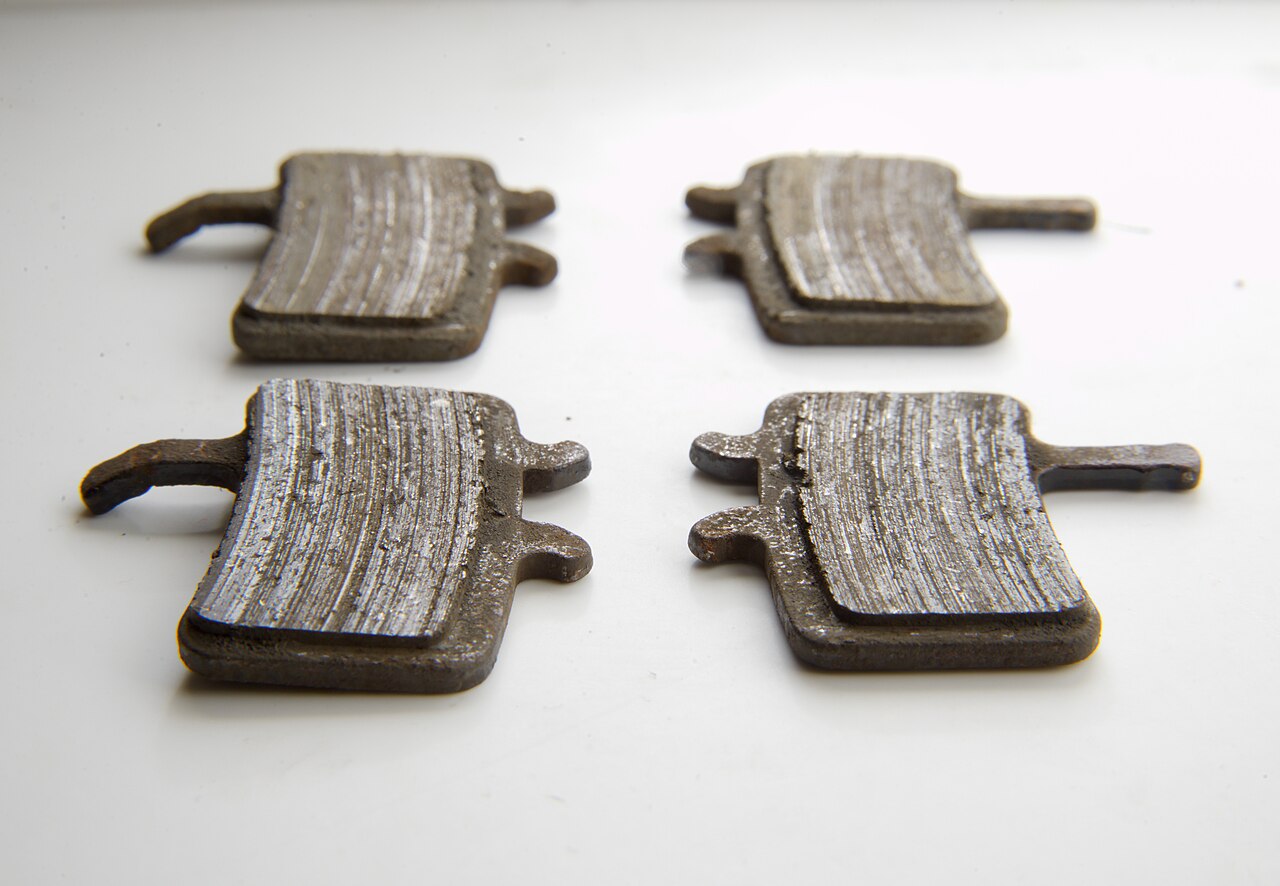
Are your brake pads worn? The most important warning signals are a metallic grinding or squealing, a warning light in the cockpit and a noticeably longer braking distance. As a rule of thumb: when the friction material gets thinner than about 2 to 3 millimeters, the brake pads should be changed. Here you learn, in plain language, how to recognize the wear and what matters when changing them.
The typical signs of worn brake pads
Brake pads wear a little with every braking application - that's normal. It becomes critical when the friction material gets too thin. You should take these signals seriously:
- Squealing when braking due to the built-in wear indicator (a small metal tab that makes contact with the disc).
- Metallic grinding or scratching - then the backing plate often already rubs on the disc, utmost urgency.
- A lit-up brake pad warning light in vehicles with an electronic sensor.
- A longer braking distance or spongier brake feel.
- Visibly thin friction material on a visual check through the wheel.
At what thickness to change brake pads?
As a rough guide, a minimum friction material thickness of around 2 to 3 millimeters applies. Below that you should change them, because the pad loses reserve and the disc can take damage.
Important: wear rarely occurs evenly. Front axle pads usually wear faster than the rear, and not always is every pad worn to the same degree. So check all four pads of an axle and replace them axle by axle as a set.
The change as an opportunity for an upgrade
If new pads are due anyway, it's worth asking whether the production pads suit your driving profile. Anyone who drives sportily or wants to go to the track day can switch directly to a sport compound during the change. New pads then want to be bedded in cleanly.
Frequently asked questions
- Do I have to replace the discs when changing the pads?
- Not necessarily. If the discs are still above minimum thickness, flat and without deep grooves, they can stay. Heavily worn or grooved discs should be replaced together with the pads. The minimum thickness is usually stamped on the side of the disc - read it off there and compare with a caliper gauge.
- Do sport brake pads wear faster than production pads?
- In everyday use often hardly at all - under hard use they usually even last longer, because the sport compound handles the high temperatures better. An everyday-capable sport compound lasts about as long as a good standard pad when driven civilly. As soon as you regularly push on track, wear rises noticeably across the board - but the sport pad stays durable where a standard pad has long since faded. For intensive track days, plan for a spare set of pads.
Related topics
Next step
Choose a vehicle, then see matching brakes
Enter the HSN/TSN from your registration document (fields 2.1 and 2.2) or search by make and model.
All articles in the knowledge base