
Brake fluid: DOT 4 or DOT 5.1?
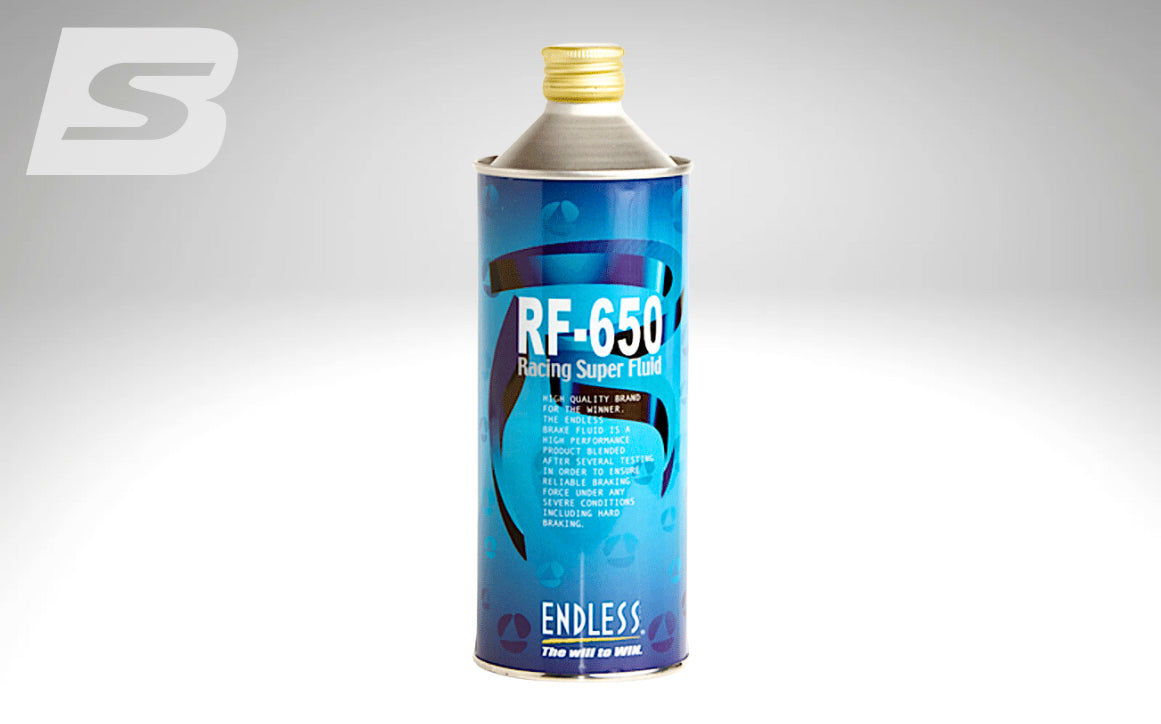
DOT 4 or DOT 5.1? DOT 5.1 has the higher minimum boiling points - but that does not automatically make it the better choice. For most road cars, DOT 4 is more than enough, and for track days a true race fluid like RF650 beats any standard DOT 5.1 anyway. Both glycol classes are, incidentally, miscible. What really matters - manufacturer approval, viscosity and fresh fluid - is what this overview covers.
Shop matching brake fluidDOT 4 and DOT 5.1: the difference
DOT 4 and DOT 5.1 are both glycol-based and miscible with each other. The decisive difference lies in the minimum boiling point - dry as well as wet. DOT 5.1 must reach higher values and therefore generally sits above DOT 4.
Important: DOT 5.1 is not to be confused with DOT 5. DOT 5 is silicone-based, not miscible with glycol fluids and unsuitable for most production and sport brakes.
Why the wet boiling point counts
Brake fluid is hygroscopic, it draws in water over time. The wet boiling point describes the boiling temperature at around 3.7 percent water content - that is, the realistic state after a few months of operation. If the brake exceeds this point, vapor bubbles form and the pedal goes soft.
For track day and race track, a racing brake fluid with a particularly high boiling point is therefore the safe choice. It shifts the window upward, but needs more frequent changes because it draws water just as much.
Don't forget the change interval
Even the best fluid is no use if it's too old. For road use, about every two years applies, for track day use considerably more often - it's best to bleed it fresh before an intensive season.
Frequently asked questions
- Which boiling points separate DOT 4 and DOT 5.1 specifically?
- The standard requires at least around 230 °C dry and 155 °C wet for DOT 4, and at least around 260 °C dry and 180 °C wet for DOT 5.1. Racing brake fluids go far beyond this: Endless RF650 reaches about 323 °C dry. What matters in practice is always the wet boiling point, because the fluid draws water in use.
- May I fill DOT 5.1 if the manufacturer specifies DOT 4?
- Generally yes - a higher glycol class meets the requirements of the lower one. Conversely, you should not fill a lower class than specified. The decisive thing remains the specification of the manufacturer or the brake reservoir cap; on ABS/ESC vehicles, watch for a suitable viscosity approval.
Related topics
Next step
Choose a vehicle, then see matching brakes
Enter the HSN/TSN from your registration document (fields 2.1 and 2.2) or search by make and model.
All articles in the knowledge base