
Brake judder and warped brake discs: recognizing the causes
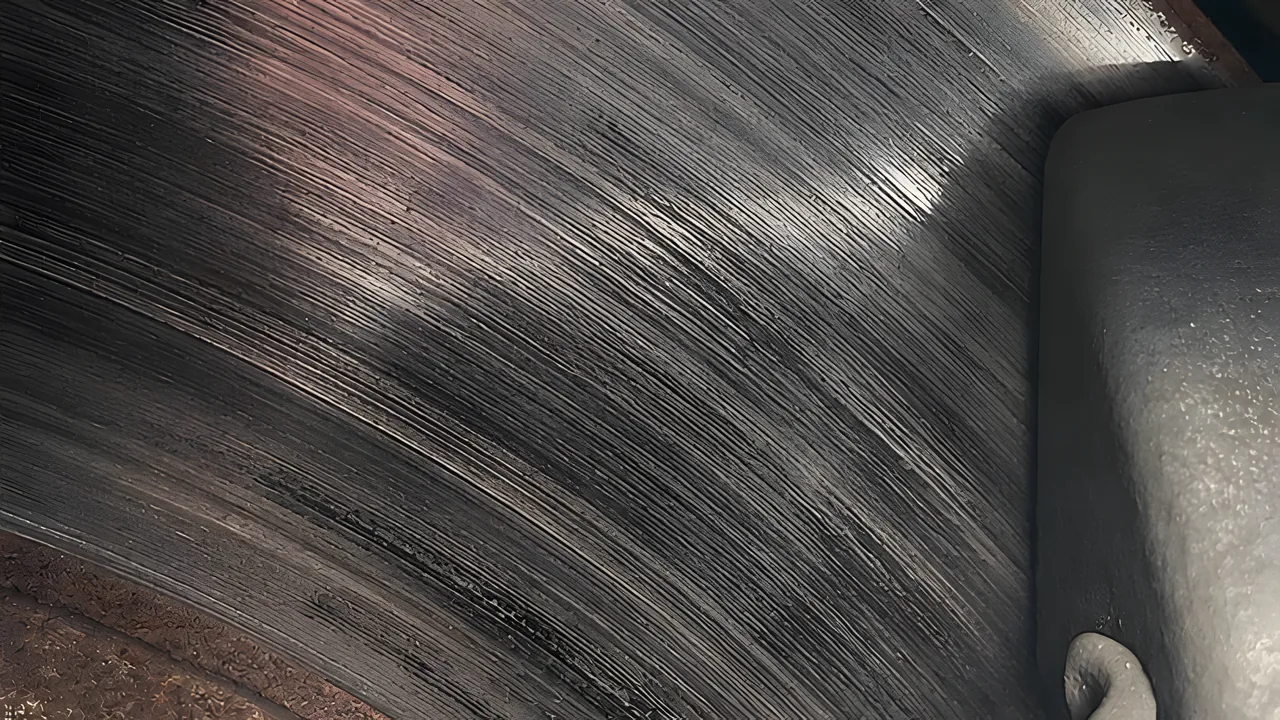
When it judders while braking and the steering wheel or the car vibrates, it's quickly said that 'the disc is warped'. In fact, a truly warped disc is rare - usually a thickness variation of the disc or an uneven pad deposit is behind it. This article explains the differences between hot and cold judder and how to recognize the cause.
Why brakes judder
Judder arises when the disc is not evenly thick or friction material was applied unevenly. When braking, the brake force then fluctuates in time with the wheel rotation - that transmits as a vibration to the pedal, steering wheel and body.
A real, thermally warped disc is rare. More common is a thickness variation (DTV) through wear or an uneven pad deposit, for example after stopping with a hot brake.
Distinguishing hot judder and cold judder
- Cold judder occurs constantly, regardless of temperature - usually a mechanical thickness variation or a worn disc.
- Hot judder shows only after strong thermal load, for example after hard braking from high speed - often through hot spots or uneven deposit.
- If it judders only at high speed in the steering wheel, that points to the front axle; if the brake pedal or the seat juders, more to the rear axle.
What helps - and what you should avoid
Light deposits can sometimes be leveled out again by a fresh, clean bedding-in. Once the thickness variation sits in the disc, only resurfacing (if the thickness allows it) or replacement helps - together with correctly bedded-in pads. Avoid stopping with a hot brake, because that is exactly what burns pad material in at single points and is a main cause of judder.
Frequently asked questions
- Is my brake disc really warped?
- Mostly not in the literal sense. As a rule it's a thickness variation of the disc (DTV) or an uneven pad deposit, not a thermally warped disc. Both feel the same but need different solutions - a clean bedding lap often shows whether it was just deposit.
- Can I just fit new pads against judder?
- Fitting new pads onto an unevenly worn disc rarely fixes the judder permanently. If the thickness variation sits in the disc, it belongs resurfaced or renewed. If new pads are fitted, they have to be bedded in cleanly so no new uneven transfer layer forms.
Related topics
Next step
Choose a vehicle, then see matching brakes
Enter the HSN/TSN from your registration document (fields 2.1 and 2.2) or search by make and model.
All articles in the knowledge base