
When do I have to change the brake fluid?
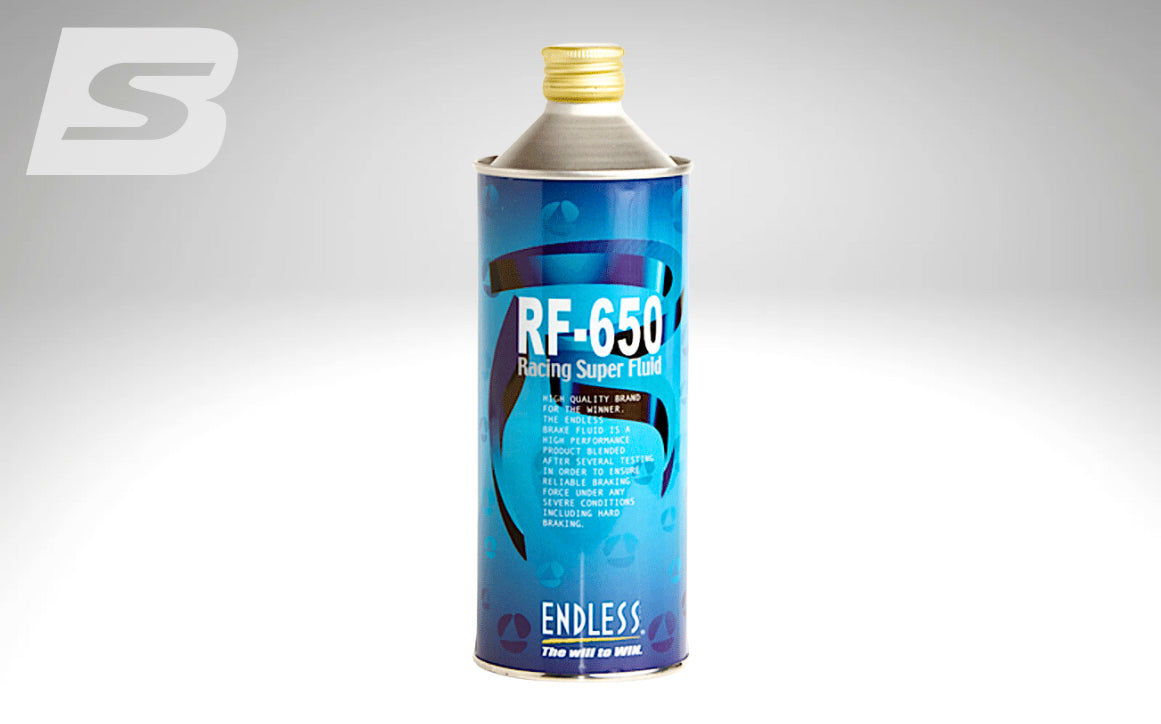
When do you have to change the brake fluid? In normal road use the rule of thumb applies: about every two years. The reason is simple: brake fluid draws water over time, and as the water content rises the boiling point drops - the brake becomes less reliable. Here you learn how to recognize a brake fluid that's due and why entirely different intervals apply for sport and track day.
Shop matching brake fluidWhy brake fluid ages in the first place
Glycol-based brake fluid (DOT 4 and DOT 5.1) is hygroscopic - it draws moisture from the surrounding air, even in a closed system. After one to two years the water content is often already at several percent.
The problem with that: water lowers the boiling point of the fluid. When the brake gets hot, the water can evaporate, vapor bubbles form, and the pedal goes soft. That's exactly what you don't want to experience while braking.
Change interval: every two years - except in sport
For most road vehicles the rule is: change the brake fluid about every two years, regardless of mileage. Many manufacturers prescribe this in the service booklet anyway.
In sport and track day use it's different. Here the fluid is loaded much more thermally, and even small amounts of water can become critical. Before an intensive season or a track day, fresh, fully bled brake fluid is part of the deal - when in doubt much more often than every two years.
How do I recognize that the brake fluid is old?
- The change date is more than two years ago (check the sticker on the reservoir or the service booklet).
- The fluid is darkly discolored instead of clear-yellowish.
- The brake pedal goes softer during sporty driving or long downhill drives.
- A workshop measuring device shows a high water content.
Frequently asked questions
- Which brake fluid do I use for the change?
- For the road a high-quality DOT 4 or DOT 5.1 fluid is sufficient. For track day and race track a racing brake fluid with a high wet boiling point like Endless RF650 is the safe choice. Important: choose the class specified by the manufacturer or a higher one, not a lower one.
- Is it enough to top up old brake fluid?
- No. Topping up only replaces volume, not the aged, water-laden fluid down in the lines and at the calipers - exactly where it gets hottest when braking. A real change flushes the system through and bleeds it. If the level in the reservoir drops noticeably, that's anyway more a sign of pad wear or a leak than of normal consumption.
Related topics
Next step
Choose a vehicle, then see matching brakes
Enter the HSN/TSN from your registration document (fields 2.1 and 2.2) or search by make and model.
All articles in the knowledge base